Condo Real Estate Agent Long Island NY

The Right Agent Changes Everything In This Market

Long Island’s condo and co-op inventory just hit an all-time low. With only 405 units available across Nassau and Suffolk counties at the end of 2024, you need a condo real estate broker on Long Island who can move fast, knows the buildings inside out, and won’t let you walk into a deal unprepared.

Certified Buyer Broker Designation

We hold a formal fiduciary designation that legally commits us to your interests, not the seller's, throughout every step of the transaction.

17+ Years of Long Island Experience

Over a decade and a half of closed deals across Nassau and Suffolk counties means we know which buildings work and which ones don't.

Top 1% Islandwide Recognition

Recognized as a Top 1% agent for transactions islandwide, with Hall of Fame and Top 100 NY State honors backing every client conversation.

Full Vendor Network Included

From real estate attorneys to home inspectors and contractors, we connect you with trusted professionals so nothing falls through the cracks at closing.

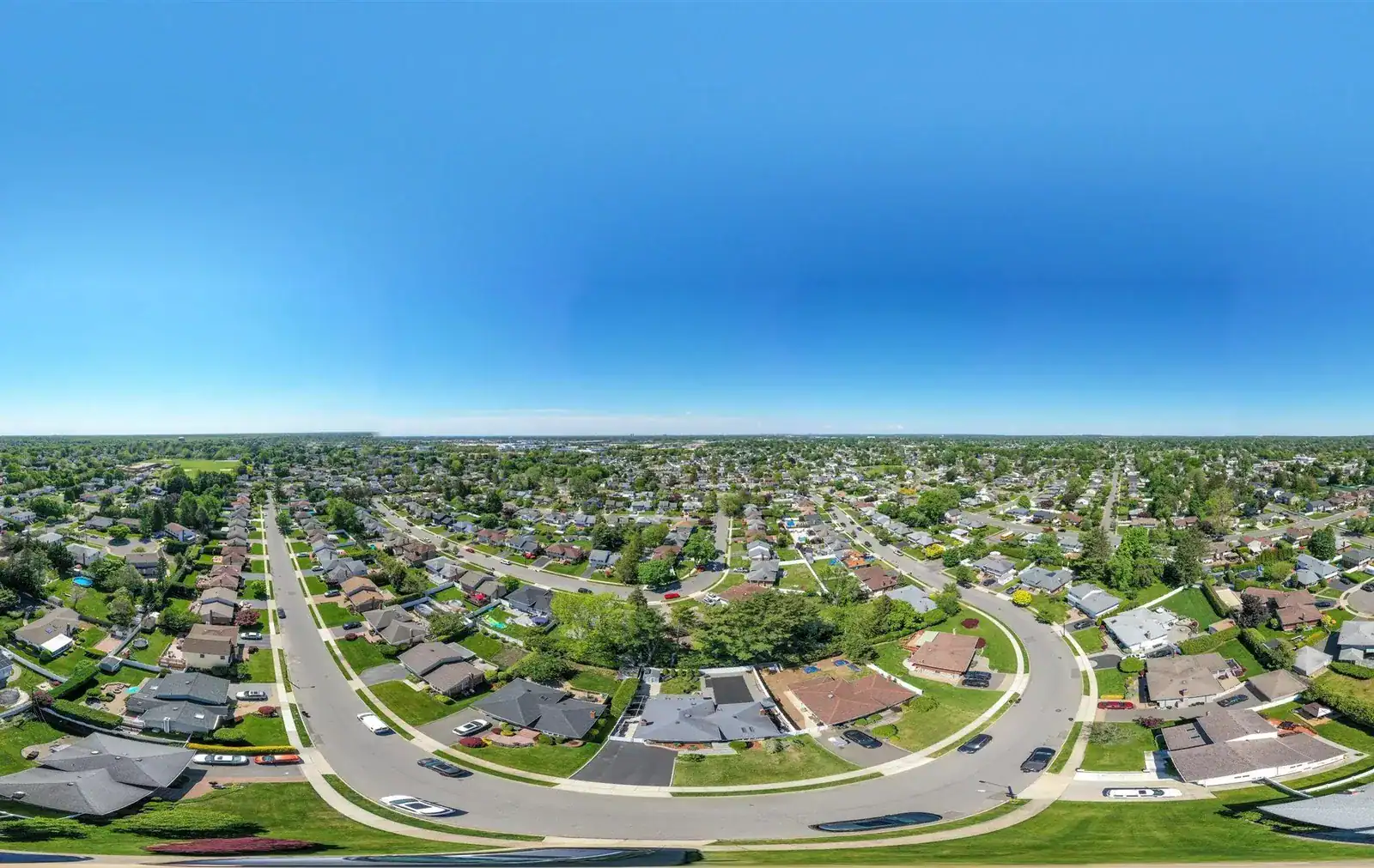
Aerial view of a suburban neighborhood in Long Island under a clear blue sky.

Buying a Condo on Long Island

This Market Rewards Buyers Who Come Prepared

Buying a condo or co-op on Long Island is not the same as buying a house. The ownership structures are different, the financing rules are different, and the approval process (especially for co-ops) can be one of the most stressful experiences a buyer goes through.

Without a realtor who genuinely understands this property type, you risk falling in love with a unit your lender won’t finance, or submitting a co-op board application that gets rejected before you ever sit down for an interview.

We work with buyers across Nassau County and Suffolk County (from Garden City and Great Neck to Amityville, Long Beach, and Huntington) helping them navigate every layer of the condo and co-op buying process with clarity and confidence. Whether you’re a first-time buyer, a downsizer ready to leave the lawn maintenance behind, or someone who just wants honest guidance, this is what we do.

Co-op and Condo Buying Long Island

What You Get Working With Us

From your first search to closing day, we handle the details that most buyers don’t even know to ask about, so you don’t get blindsided.

Condo vs Co-op Long Island NY

Condo Or Co-op: They Are Not The Same Thing

This is the question we get most often on Long Island, and it matters more than most buyers realize. When you buy a condo, you own your unit outright. It’s real property in your name. When you buy a co-op, you’re purchasing shares in a corporation that owns the entire building, and in exchange you receive a proprietary lease giving you the right to occupy your unit.

That distinction affects everything: how you finance the purchase, how much you need in liquid savings after closing, whether you can rent the unit out, and how long the buying process actually takes.

Co-ops on Long Island tend to carry lower purchase prices (Nassau County co-op median prices are currently around $377,500 compared to $870,000 for condos) but they come with stricter rules, higher monthly maintenance fees, and a board approval process that can feel like applying for a job. Condos offer more flexibility and are generally easier to finance, but they come at a higher price point. Neither is inherently better. The right choice depends entirely on your financial picture, your lifestyle, and your long-term plans, and that’s exactly the kind of conversation we have before you ever start touring units.

Co-op Buying Process Long Island

The Co-op Board Process Is Not A Formality

A lot of buyers don’t find out how serious the co-op board process is until they’re already emotionally invested in a unit. Co-op boards on Long Island have real authority over who gets approved to purchase.

You’ll need to submit a full financial package (tax returns, bank statements, reference letters, employment verification) and then sit for an in-person interview where the board decides whether you’re the right fit for their building. Boards typically require buyers to have one to two years of maintenance payments in liquid assets after closing. Some buildings have additional restrictions on subletting, renovations, and resale.

We walk you through all of it. We know what boards are looking for, how to present your financial package correctly, and what kinds of questions to expect in the interview. We also check lender approval lists early, because some co-op buildings in Nassau and Suffolk counties aren’t on approved lender lists, and finding that out late in the process means starting over. Getting ahead of that is part of what we do.

Condos & Co Ops FAQs

Common Questions About Our Service

The core difference is ownership structure. When you buy a condo on Long Island, you own the unit itself — it’s real property titled in your name. When you buy a co-op, you’re buying shares in a cooperative corporation that owns the entire building. Those shares come with a proprietary lease that gives you the right to live in a specific unit, but you don’t own the unit outright. This affects how you finance the purchase, what your lender requires, how much liquid savings you need after closing, whether you can sublet, and how much say the board has over your purchase. It’s a meaningful distinction, and understanding it before you start shopping on Long Island is critical.
Technically, any licensed agent can write an offer on a condo or co-op. But the condo and co-op buying process on Long Island involves a level of property-specific knowledge that general residential agents don’t always have. Do they know which buildings in Nassau County are on approved lender lists? Do they know how to review co-op financial statements and board minutes for red flags? Do they know that approximately half of condo properties aren’t HUD-approved and won’t qualify for FHA financing? These aren’t obscure edge cases — they’re things that come up regularly on Long Island and can derail a deal if your agent isn’t prepared for them.
After your offer is accepted on a co-op on Long Island, you don’t go straight to closing — you go through a board approval process first. You’ll submit a detailed financial package that typically includes tax returns, bank statements, pay stubs, reference letters, and a personal statement. The board reviews everything and then invites you for an in-person interview. They’re evaluating your financial stability, your character, and whether they think you’ll be a good fit for the building. Boards can — and do — reject applicants, which means starting your search over. Co-op boards on Long Island also typically require buyers to have one to two years of maintenance payments in liquid assets after closing, which catches some buyers off guard.
Only if the condo building is HUD-approved — and roughly half of condo properties in the U.S. are not. HUD evaluates whether the homeowners association has sufficient reserve funds, is well-managed, and maintains an acceptable ratio of owner-occupied to renter-occupied units. If a building doesn’t meet those standards, FHA financing isn’t available for units in that building, regardless of your personal qualifications. This is one of the first things we check when you’re interested in a specific condo on Long Island. Finding out a building doesn’t qualify after you’ve already fallen in love with a unit is a painful situation that’s entirely avoidable with the right preparation upfront.
The data tells an interesting story. Nassau County condo median prices reached $870,000 in April 2025 — up 15.8% year over year. Suffolk County condo median prices hit $500,000, up 10.5% year over year. At the same time, available inventory dropped to just 405 units across both counties at the end of 2024, the lowest level ever recorded. What that means practically is that demand is strong, supply is extremely tight, and prices are rising. Units are selling in an average of 40 days across Long Island. Whether a specific condo is a good investment depends on the building’s financial health, the location, and your own financial goals — which is exactly the kind of analysis we work through with you before you make an offer.
In Nassau County, communities like Great Neck, Garden City, Long Beach, Massapequa, East Meadow, and Massapequa Park have notable condo and co-op inventory. In Suffolk County, you’ll find options in Amityville, Huntington, Patchogue, Levittown, and Middle Island. Each of these communities has its own character, price range, and commuter access. Transit-linked units near Long Island Rail Road stations tend to hold strong demand year-round, particularly for buyers who commute into the city. The South Shore communities — Amityville, Long Beach, and Massapequa — attract buyers drawn to waterfront access and the Great South Bay lifestyle. We know these markets well and can help you figure out which one fits your priorities before you start scheduling tours.

01

Start With a Real Conversation

We learn your budget, timeline, and priorities — then explain exactly how the condo or co-op process works on Long Island before you see a single listing.

02

Find the Right Building

We search active inventory across Nassau and Suffolk, screen buildings for financing eligibility, and flag any red flags in financials or board history before you get attached.

03

Guide You Through to Closing

From offer to board application to closing table, we manage every step — and connect you with the attorneys, inspectors, and professionals you'll need along the way.