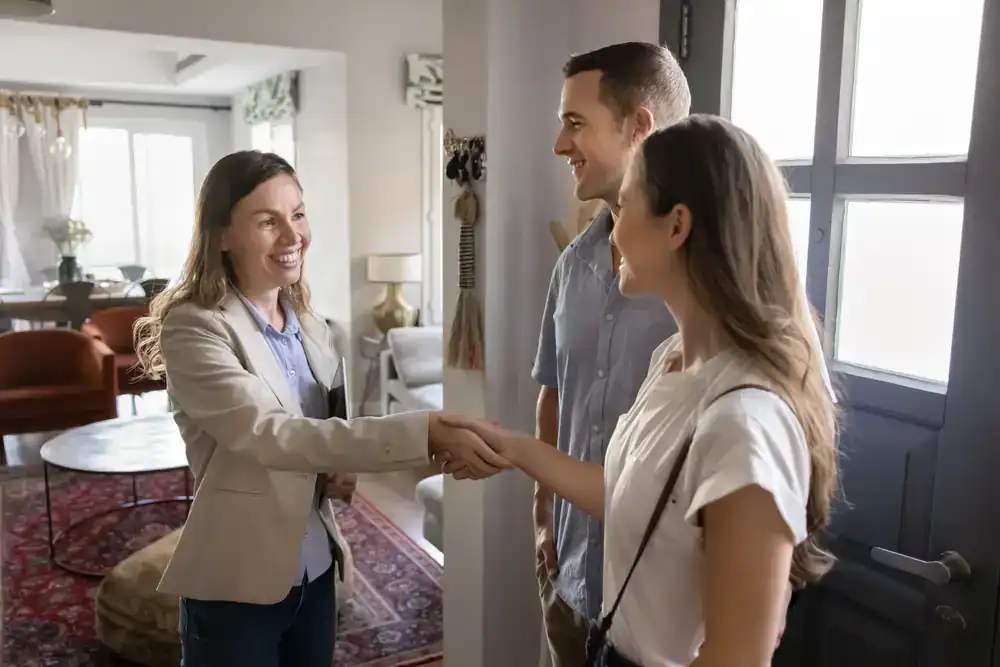
Licensed Broker Associate and Certified Buyer Broker
Contact Info
Hear From Our Clients
The original University Gardens subdivision has 218 homes. That’s it. When something comes to market here, it doesn’t sit around waiting for you to get organized. It goes — sometimes before it ever hits the public listings — and if you’re working with an agent who isn’t plugged into this specific community, you find out about it after the fact.
Speed matters in University Gardens, but so does precision. You need to know which blocks fall inside the Great Neck Union Free School District boundary, which addresses feed into Lakeville Elementary, and what the price difference looks like between a home on the right side of that line versus one that isn’t. These aren’t minor details. In a market where Nassau County homes are selling at 101.3% of list price, the details are where you win or lose.
For sellers in University Gardens, overpricing doesn’t just slow things down — it creates a stigma that’s hard to shake. Every neighbor, every buyer, and every competing agent notices when a listing sits in a community this small. We price with precision from day one, market to the right buyer pool, and move with urgency. That’s what a well-represented sale looks like in University Gardens.
Lisa Caputo Sells Long Island has been working Nassau County real estate for over 15 years — not as a weekend project, but as a full-time career. Our clients say it plainly: “Real estate is Lisa’s livelihood, not a hobby or second job.” That matters more than it sounds when you’re in a fast-moving micro-market like University Gardens, where offers need to move on a Friday evening and showings get booked the same day a listing goes live.
We hold a New York State Broker Associate license — a higher credential than a standard salesperson license — along with a Certified Buyer Broker designation that signals formal, specialized training in buyer representation. We’ve built real experience with co-op and condo transactions, which is directly relevant in University Gardens, where the housing mix runs from 1920s Tudor single-family homes to co-op units along the Nassau-Queens border.
We operate under Signature Premier Properties, Long Island’s fastest-growing independent brokerage, with 20-plus offices across Nassau and Suffolk counties. You get the reach and resources of a major firm, with the one-on-one attention that no 950-agent franchise can replicate.
It starts with a conversation — no pressure, no pitch. Whether you’re thinking about selling your home in University Gardens or you’re ready to buy and want to understand the market, we offer a complimentary market evaluation at no charge. For sellers, that means a real comparative market analysis based on actual comparable sales in the Great Neck area, not a number designed to win your listing. For buyers, it means an honest look at what’s available, what’s realistic in your price range, and what it takes to compete in a market where Nassau County inventory sits at roughly two to three months of supply.
Once you’re ready to move forward, the process is straightforward. Sellers get a clear pricing strategy, a marketing plan built to reach the buyer pool most likely to want a home in University Gardens — including the significant number of families relocating from Queens communities like Little Neck and Bayside specifically for the Great Neck school district — and direct access to us throughout the entire process.
Buyers get representation from a Certified Buyer Broker, help navigating co-op board requirements if that’s the route you’re taking, and access to our network of trusted attorneys, home inspectors, and contractors. From accepted offer through closing, the goal is simple: no surprises. University Gardens homes built in the 1920s and 1940s can surface inspection findings that catch buyers off guard. Having an agent with a vetted referral network already in place means those moments get resolved, not derailed.
Ready to get started?
We handle residential buying and selling across Nassau County, with specific experience in the North Shore communities that make up the Greater Great Neck area. For University Gardens specifically, that means understanding the full range of the local market — from co-op units that offer entry-level access to the Great Neck school district, to single-family Colonials and Tudor homes in the original planned subdivision, to the larger properties in adjacent Russell Gardens that can push well past the $1.5 million mark.
Every client gets a complimentary comparative market analysis. Sellers receive honest pricing guidance, a marketing strategy, and direct access to us throughout the transaction — not a team assistant who passes messages along. Buyers working with a Certified Buyer Broker get formal representation, offer strategy in a competitive multiple-offer environment, and real guidance on co-op board approval timelines if that’s relevant to the property.
Because University Gardens sits within the Town of North Hempstead, building permits for any renovations or additions run through North Hempstead — and open permits on older homes can complicate closings. We check for these issues early, not after you’re already under contract and on a deadline. That kind of process awareness is what separates a real estate agency that knows University Gardens from one that’s just covering the map.
Very. Nassau County is running at roughly two to three months of housing supply as of 2025, which is well below the six months that would indicate a balanced market. Homes across Nassau are selling at 101.3% of list price — meaning buyers are routinely going above asking to win. In University Gardens specifically, that dynamic is amplified by the size of the community. The original subdivision contains 218 homes. When a well-priced property comes to market, it can attract multiple offers within days, not weeks.
For buyers, this means being prepared before you start looking — financing in order, a clear sense of your priorities, and an agent who can move quickly when the right home appears. For sellers in University Gardens, pricing accurately from the start matters more here than almost anywhere else. A home that sits in a community this small becomes conspicuous fast, and price reductions after the fact rarely recover the momentum of a well-priced launch.
Yes, significantly. The Great Neck Union Free School District is ranked 34th out of 1,008 school districts in New York State. Lakeville Elementary School, which serves University Gardens, is ranked 12th in the state, with 97% math proficiency. Great Neck South High School is ranked the top public high school in Nassau County. These rankings create sustained buyer demand that doesn’t soften the way the broader market does — families specifically targeting this school district will pay a premium to be inside the boundary, and they will not settle for a home one block outside it.
For buyers in University Gardens, knowing exactly which addresses fall within the district is essential — not something to assume based on proximity. For sellers, understanding how the school district positioning affects your specific property’s value is part of what a proper comparative market analysis should capture. This is not a generic “good schools” talking point. It’s one of the primary drivers of price in University Gardens, and it needs to be treated that way.
The process is meaningfully different, and buyers who aren’t prepared for it can run into delays or surprises. Co-op transactions in New York require board approval, which typically involves submitting a detailed financial disclosure package — tax returns, bank statements, reference letters, and sometimes an in-person board interview. The board can set its own financial requirements, often including a minimum down payment of 20 to 25% and specific debt-to-income thresholds. The approval process can add 30 to 60 days to a closing timeline compared to a standard single-family purchase.
University Gardens has a real co-op and condo market alongside its single-family homes, and co-op units offer one of the more accessible entry points into the Great Neck school district. If you’re making the move from a Queens community like Little Neck or Bayside, you may already be familiar with co-ops — but Nassau County co-op boards and building rules operate independently from anything you encountered in the city. Working with an agent who has specific co-op transaction experience means you’re not figuring out the board package process for the first time while you’re already under contract.
University Gardens sits directly on the Nassau-Queens line, with the Queens neighborhood of Little Neck immediately adjacent. That border position is one of the community’s defining characteristics — and it shapes the buyer pool in a very specific way. A significant share of buyers targeting University Gardens are families making the deliberate move from Queens into Nassau County, drawn by the Great Neck school district, the LIRR access to Manhattan, and the established community character of the neighborhood.
For sellers in University Gardens, this means your marketing should be reaching that specific audience — not just generic Long Island buyers. For buyers coming from Queens, the transition involves a different property tax structure, a different permit system through the Town of North Hempstead rather than New York City, and different co-op board dynamics. The Nassau STAR exemption, how property assessments work, and what the grievance process looks like are all things a buyer relocating from Queens may be encountering for the first time. Having an agent who understands both sides of that transition is genuinely useful, not just a marketing claim.
University Gardens has strong transit access for a Nassau County community, which is a meaningful part of its appeal for buyers who work in the city. Both the LIRR Little Neck Station and the LIRR Great Neck Station on the Port Washington Branch are within walkable distance of the community. Express trains from Great Neck reach Penn Station in under 30 minutes. Little Neck Station, just across the Nassau-Queens border, offers additional scheduling flexibility. For drivers, Interstate 495 — the Long Island Expressway — is a few minutes away, and Northern Boulevard (Route 25A) runs adjacent to the community and provides surface road access east and west.
Bus routes along Northern Boulevard also connect to LIRR stations and into Queens, which is useful for residents who prefer not to drive to the train. The combination of walkable LIRR access and LIE proximity puts University Gardens in a commuter-friendly position that’s relatively rare for a Nassau County community at this price point — and it’s a selling point worth highlighting clearly when listing a home here.
It’s something to go in with your eyes open about. The original University Gardens subdivision was built in the late 1920s, and the Waverly Hills section dates to the 1940s. Homes in that age range are full of character — Tudor architecture, mature landscaping, solid construction — but they also have histories. Inspections on pre-war and early postwar homes routinely surface aging systems, updated electrical work that may or may not have been permitted, and deferred maintenance that accumulated over decades of ownership.
One specific issue to watch for in University Gardens is open permits. Because the community falls within the Town of North Hempstead, any past renovations or additions should have been permitted through North Hempstead’s building department. Open or expired permits on a property can complicate title transfer and delay closings — sometimes significantly. We check for this early in the process, before you’re already under contract and on a deadline. For sellers, it’s worth resolving any open permit issues before listing, because they will surface in due diligence and can give buyers leverage to renegotiate or walk away. Our referral network of trusted contractors and attorneys means that when these issues come up, there’s a clear path forward rather than a scramble.
Other Services we provide in University Gardens